
What Does Assisted Living Staff Support Mean?
Assisted living staff support refers to the practical, daily help provided for residents who need some assistance with routines but want to maintain independence. In Abington, PA, this support is shaped by residents’ needs, local regulations, and the area’s community values. Staff members play a varied role, from everyday care to emotional support.
What Kinds of Assistance Do Staff Provide?
Assistance in an assisted living setting can include everything from personal care to social engagement. Staff are trained to recognize when a resident needs help but also to encourage residents to do as much as possible on their own.
Typical areas where staff provide support include:
- Bathing, grooming, and dressing
- Medication reminders or assistance
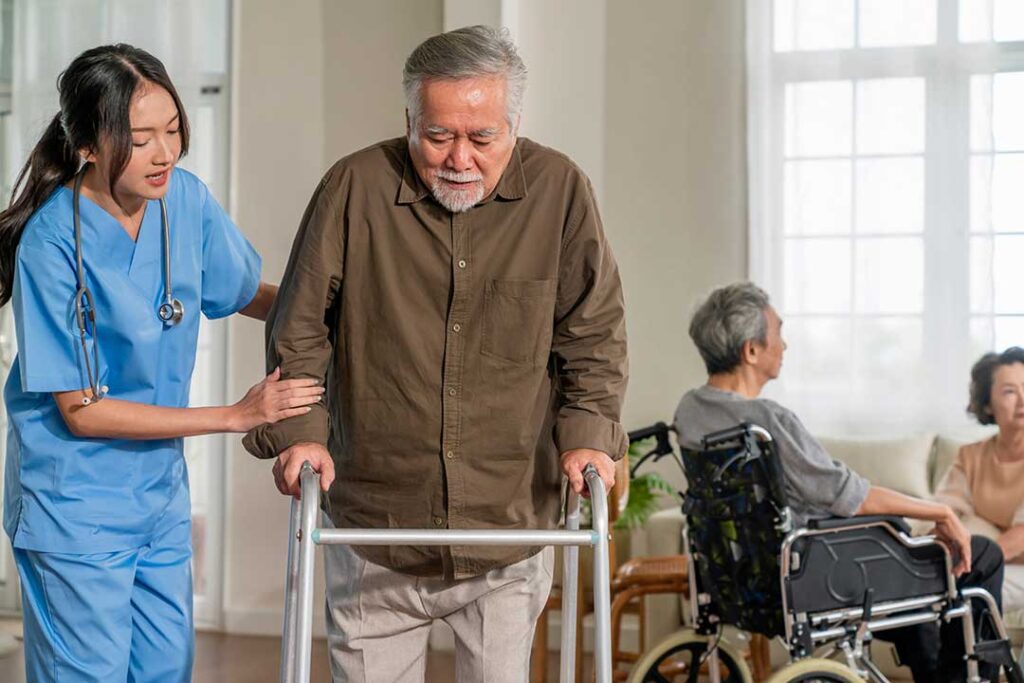
- Mobility and transfers (walking, wheelchair help, etc.)
- Meal service and dietary accommodations
- Housekeeping and laundry
These services are part of routine care in the city’s assisted living communities, which often adapt tasks to match individual abilities. For example, one resident might need help only with bathing, while another may require assistance during meals, especially if arthritis makes using utensils challenging.
How Do Staff Promote Health and Safety?
Staff play a crucial role in monitoring and maintaining resident health and safety. Every reputable assisted living community in the city must meet regulations set by the Pennsylvania Department of Human Services, which shapes the scope of care.
Staff monitor vital signs, oversee medication schedules, and look for changes in mood or mobility that could indicate health concerns. In winter, for example, extra care is taken to prevent slips when residents walk inside after snowy or icy conditions outside.
Staff are also trained in emergency response, from first aid to evacuation procedures during severe weather or power outages. This training gives residents and their families peace of mind, especially knowing local emergency services and hospitals are nearby.
Do Staff Support Emotional and Social Needs?
Emotional well-being is as important as physical health. Assisted living staff regularly encourage social participation and help residents feel connected to the community. This might mean:
- Organizing group activities like craft sessions or movie nights
- Facilitating video calls with family members who live far away
- Simply checking in for conversation and companionship
Staff often notice subtle changes in behavior that could signal loneliness or depression. Their training helps them respond with sensitivity and direct residents toward appropriate resources, whether that means social visits, connecting with community outreach programs, or discussing mental health with family members.
How Are Residents’ Personal Preferences Respected?
Residents’ wishes are central to providing respectful, individualized care. Staff in assisted living communities are trained to honor routines and choices—whether someone prefers an early breakfast or enjoys a walk at sunset in a local garden.
Care plans are designed with each resident’s preferences and medical needs in mind. Regular reviews ensure the approach remains relevant, and families are often included in these discussions to honor longstanding habits or life traditions.
Are Staff Available Around the Clock?
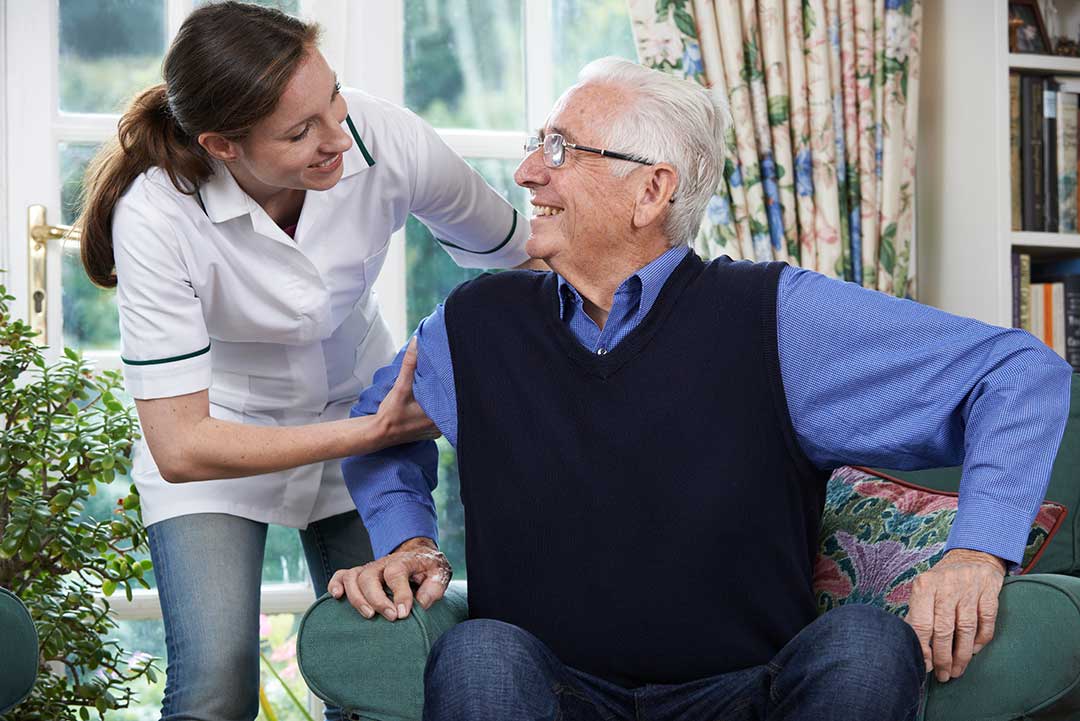
Most assisted living communities in Abington have staff on-site 24 hours a day. Overnight staff ensure someone can quickly respond to needs, whether it’s a medical concern or simple reassurance after dark.
The level of night-time coverage can differ, but residents typically wear call pendants or have in-room alert systems linked directly to staff. This means help is never far away, even during quiet hours—especially important during the city’s colder months or during unexpected nighttime events.
How Is Privacy Maintained While Providing Support?
Balancing help with dignity is a guiding principle for staff. Residential designs in the city provide private or semi-private rooms, and staff use care techniques that respect residents’ space and routines. For instance:
- Staff knock and request entry before entering a room
- Personal hygiene assistance is conducted discreetly, with resident input on clothing, supplies, and timing
- Sensitive information about health or medical issues is handled confidentially, in keeping with state and federal privacy regulations
Local residents often value both independence and connection, so staff are trained to offer help subtly, fostering trust and autonomy.
Common Misunderstandings About Assisted Living Staff Roles
Some people in the community may believe assisted living staff do everything for residents, but the goal is to provide just enough support to maximize independence. Staff offer guidance, reminders, and encouragement rather than total takeover of personal tasks.
Another misconception is that staff only help with physical needs. In reality, emotional support, safety monitoring, and facilitating involvement are all part of the job.
How Is Staff Training Tailored to Local Needs?
Staff receive specialized training based on state requirements and local needs. Ongoing education addresses not just personal care basics but also topics like mobility challenges specific to the area’s seasonal hazards or resources for managing chronic conditions common among older adults.
Training might also cover understanding different backgrounds, cultures, and preferences within Abington’s diverse population. This equips staff to be more responsive and adaptable, especially important when weather, community events, or health guidelines shift.
