
What Types of Recreation and Activities are Offered in Assisted Living Communities?
Assisted living communities in Abington, PA provide a broad mix of activities designed to meet physical, social, intellectual, and emotional needs. Most options are developed to accommodate a range of abilities and encourage social connection.
Regular choices include:
- Chair yoga or seated exercise classes for joint mobility and strength
- Board games, cards, and group puzzles
- Movie nights or classic film afternoons
- Book clubs and reading groups
- Craft sessions, knitting circles, or painting workshops
- Music appreciation, sing-alongs, or guest performances
- Gardening in raised beds or indoor pots based on season
In this climate, indoor activities and seasonal events are especially popular in winter, while outdoor walks and gardening gain emphasis as weather warms. Many communities work with residents to evolve monthly calendars based on interests and requests.
How Are Activities Adapted for Residents with Different Needs?
Activities are most enjoyable when they fit participants’ capabilities and preferences. Organizers in the city offer modified activities so that everyone can take part meaningfully.
For example:
- Games and crafts can be adapted with larger pieces or supplies for ease of use.
- Exercise is often offered at beginner to intermediate levels, with options to remain seated.
- Events are scheduled at varying times to accommodate early risers and those who prefer afternoons.
- Cognitive activities include trivia or memory games designed to exercise thinking skills gently, without pressure.
Group leaders are trained to recognize and support those with memory or mobility challenges. Residents are encouraged, but never pressured, to participate—personal autonomy is respected.
Why Are Social Events and Group Programs Important?
Shared activities are central to building community and reducing isolation for area residents. Group programs give residents routine, stability, and the chance to form friendships.
Social offerings commonly seen include:
- Birthday and holiday celebrations
- Ice cream socials or tea times
- Community service projects, like creating blankets or cards for local charities
- Intergenerational programs involving school children or volunteers
These events can help ease transitions and support mental well-being, especially during the adjustment to life in an assisted living setting. Participation is voluntary, and private or quiet spaces remain available for anyone who prefers time alone.
How Can Activity Schedules Stay Interesting and Relevant?
Open communication and resident feedback play a major role in effective programming. Most communities in the area host monthly meetings where residents can suggest new ideas or vote on future activities.
Suggestions are often collected in writing or through informal conversations as well. If a resident expresses an interest—such as a lifelong hobby or a desire for a particular club—the staff may organize one-time or recurring gatherings.
Activity calendars in the region also reflect local traditions and seasonal activities, recognizing regional holidays, cultural celebrations, and community heritage.
Are Outdoor and Seasonal Activities Available?

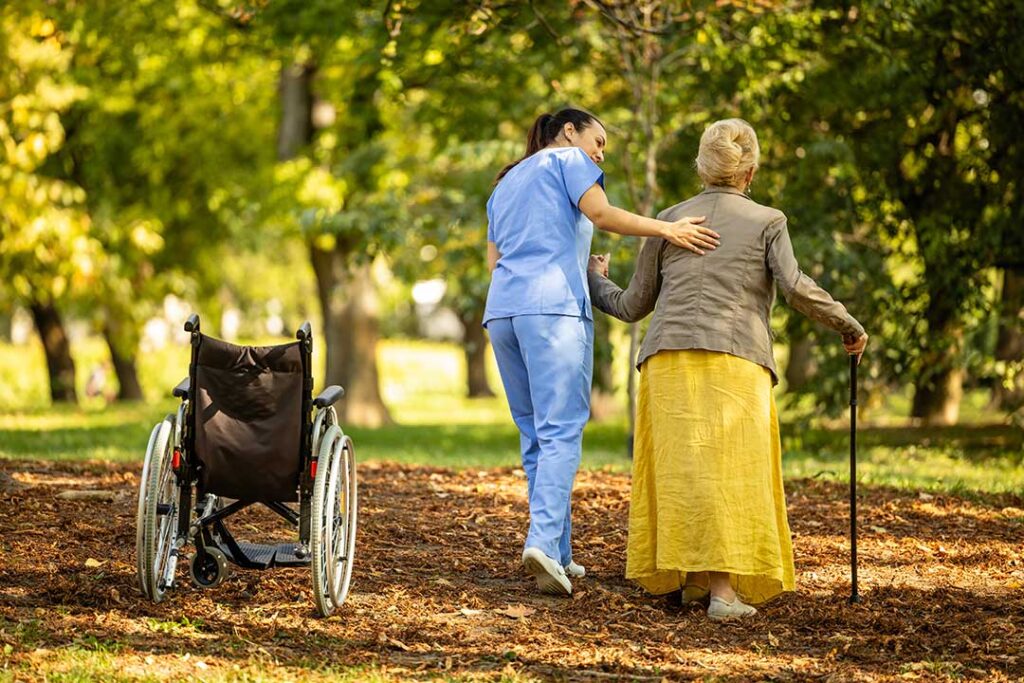
Outdoor recreation is valued for both physical and emotional health. In the area, communities make use of courtyards, patios, and nearby park spaces as weather allows.
During warmer months, outdoor activities often include:
- Walking groups on accessible pathways
- Gardening—both ornamental and practical, like growing herbs or tomatoes
- Bird-watching or nature appreciation sessions
- Picnics or lemonade on the patio
Given the local climate with four distinct seasons, winter and rainy periods focus on safe indoor activities, possibly shifting to seasonal crafts, baking, or music. Some buildings offer all-weather indoor walking tracks or sunrooms.
How Are Religious, Spiritual, or Cultural Activities Handled?
Residents bring diverse backgrounds, and many wish to maintain religious or cultural traditions. Assisted living communities provide space and accommodations for these needs without mandating participation.
Options might include:
- Weekly or monthly worship services of various faiths
- Holiday observances and cultural celebration days
- Group discussions focused on spiritual well-being
- Quiet spaces for reflection or prayer
Families and visitors are generally welcome at many of these events, which are designed to offer comfort and connection.
What Role Do Volunteers and Family Members Play?
Community connections are stronger when families and volunteers participate. In the city, many families are invited to join public events, performances, or special celebrations. Local volunteers often contribute by leading activities, musical performances, or hobby demonstrations.
This openness supports richer programming and brings an added sense of belonging for residents, echoing the area’s tradition of neighborly engagement.
Can Residents Choose How Much They Participate?
Autonomy and choice are emphasized. Schedules and sign-ups are flexible, allowing residents to join as many or as few activities as they wish. There is no expectation of constant participation—quiet time, reading, or personal reflection is always respected.
Some residents thrive on daily engagement, while others prefer occasional events or a small group setting. The goal is for everyone to find a comfortable rhythm that supports their well-being.
